
Missing teeth, loose implants, or a recommendation for full-arch treatment can leave you with plenty of questions. The right dental team should take time to understand your health, explain your options, and outline what care may involve. If you’re looking for a dental implant specialist in Payson and surrounding areas, Winterholler Dentistry has offices in Payson and Scottsdale and welcomes patients seeking implant consultations. The practice offers care ranging from single-tooth implants to full-arch restorations, bone grafting, and implant revisions. Your needs will shape which options are appropriate, so a personal evaluation matters. Here’s what to consider when choosing a provider, preparing for a consultation, and comparing treatment plans.
Key Takeaways
- Match the specialist to your needs: Ask about experience with your specific treatment, including full-arch restorations, bone grafting, or implant revisions.
- Understand your options before choosing: Request an individual evaluation and clear details about treatment steps, risks, alternatives, recovery, and follow-up.
- Prepare for practical details: Get an itemized cost estimate, confirm payment options, and plan appointments and aftercare if traveling to Payson or Scottsdale.
Find an Implant Specialist in Payson and Nearby Areas
Choosing an implant specialist starts with finding a practice that can assess your needs and explain your options clearly. If you live in Payson or a nearby community, Winterholler Dentistry has offices in Payson and Scottsdale and welcomes new patients seeking implant consultations and care. Contact the practice to confirm which location can best support your consultation and treatment needs.
Implant care can involve replacing one tooth, restoring a full arch, or addressing complications from previous treatment. Ask what your evaluation will include, who will handle each part of your care, and how the team will follow up. You can review the practice’s dental implant services before your visit and prepare questions about your health history, comfort, and expected timeline.
Experience is worth considering, but your treatment plan should reflect your individual needs. Ask the clinician to explain the evaluation, discuss alternatives, and outline potential risks and follow-up care. If you live outside the area, clarify how many visits may be needed and how appointments will be coordinated before making travel plans.
Explore Winterholler Dentistry’s Implant Care in Payson and Scottsdale
Winterholler Dentistry has offices in Payson and Scottsdale, Arizona, and welcomes new patients seeking implant consultations and care. Having two locations may be convenient if you live in Payson or a nearby community, but it’s helpful to confirm which office can provide the services you need. Ask whether different parts of your treatment may take place at different locations and how appointments are scheduled.
Before your first visit, ask what records or imaging to bring and what to expect during the consultation. You may also want to learn how the team reviews your dental and medical history and explains available treatment options. The practice’s new-patient information can help you prepare and find details about its locations.
Review Dr. Chris Winterholler’s Experience: 16,000+ Implants and 3,000+ Full Arches
Dr. Chris Winterholler has placed more than 16,000 dental implants and completed over 3,000 full-arch restorations, according to Winterholler Dentistry. This experience may be relevant if you’re considering a full-arch restoration or have a complex case, but your care should still begin with an individual evaluation. Ask how the recommended plan addresses your specific needs, including any previous implant work or concerns about bone loss.
You can read more about his background on the practice’s profile of Dr. Chris Winterholler. At your consultation, ask who will perform each part of your treatment, what alternatives may be appropriate, and what follow-up care is expected.
Learn About Dr. Patrice Winterholler’s Cosmetic and Neuromuscular Expertise
Dr. Patrice Winterholler focuses on cosmetic and neuromuscular dentistry, including care related to TMJ and TMD. These areas may be relevant if you have questions about jaw comfort, bite function, or the appearance of your smile alongside other dental needs. Share any jaw pain, muscle tension, or bite concerns during your consultation so the team can discuss whether further evaluation is appropriate.
Learning about the clinicians’ areas of expertise can help you ask more specific questions about your care. Read about Dr. Patrice Winterholler’s cosmetic and neuromuscular dentistry background. If you’re discussing implant treatment, ask which provider will assess and manage each part of your plan and how functional or cosmetic concerns may be considered.
Get Support When Traveling for Treatment
If you live outside Payson or Scottsdale, ask how many visits your treatment may require and how follow-up appointments are arranged. Visit timing depends on your individual plan, so get a clear outline before booking travel. Ask whom to contact with questions between appointments and whether any follow-up care can take place closer to home.
Winterholler Dentistry is out of network with insurance plans, but the practice says it helps patients maximize out-of-network benefits and offers financing through several providers. Contact the office to confirm current payment options and ask what information your insurer may need. The practice’s new-patient page includes insurance and financing details. Discussing costs, scheduling, and aftercare in advance can help you plan for treatment away from home.
Which Implant Services Can You Find in Payson and Nearby Areas?
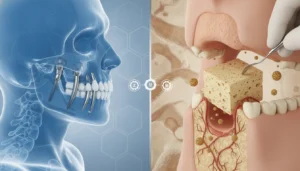
Dental implant treatment can replace one missing tooth, restore most or all teeth in an arch, or address problems with existing implants. The right option depends on factors such as your oral health, jawbone, treatment goals, and the condition of any previous dental work. At Winterholler Dentistry, patients in Payson, Scottsdale, and nearby areas can ask about implant services for both straightforward and complex cases.
Your first step is an evaluation. The dentist can review your health history, examine your mouth, and use imaging to assess your jawbone and identify concerns that may affect treatment. From there, you can discuss suitable options, the expected sequence of care, and whether additional procedures may be recommended. Ask for a clear explanation of the benefits, risks, alternatives, recovery, and follow-up involved in each option. These details can help you compare approaches and decide what questions to raise before moving forward.
Choose Single-Tooth Implants or All-on-X Full-Arch Restorations
A single-tooth implant replaces one missing tooth with a restoration supported by an implant in the jaw. For people who have lost most or all teeth in an arch, an All-on-X restoration uses multiple implants to support a fixed set of replacement teeth. The number and placement of implants depend on your anatomy and treatment plan.
Dr. Chris Winterholler has placed more than 16,000 dental implants and completed over 3,000 full-arch restorations, according to the practice. Review the implant treatment options and ask which may suit your needs. Your consultation should cover the treatment steps, expected timeline, alternatives, and the care required after placement.
Explore Zygomatic and Pterygoid Implants for Certain Cases of Upper-Jaw Bone Loss
When the upper jaw has significant bone loss, conventional implant placement may be more challenging. For some patients, an implant specialist may consider zygomatic or pterygoid implants, which use different anchoring sites than traditional implants. These approaches are specialized and are not right for everyone. An exam and imaging can help the dentist assess your anatomy and explain whether either option is appropriate to discuss.
If another provider has told you that you may need extensive grafting or cannot receive conventional implants, ask whether a second evaluation could help clarify your choices. Winterholler Dentistry describes specialized implant care for complex cases. Ask why a particular approach is being recommended, what alternatives exist, and what risks and follow-up care to consider before making a decision.
Consider Bone Grafting and Implant Revisions
Bone grafting may be recommended if there is not enough jawbone to support an implant in the planned position. Whether it is needed depends on your exam, imaging, health history, and goals. If you already have an implant that feels uncomfortable, has loosened, or is not working as expected, an evaluation can help identify the cause and determine whether revision treatment may be appropriate.
Bring records or images from previous dental treatment if you have them. They can help the dentist understand what was done and assess your concerns. Winterholler Dentistry offers implant care for complex cases, including bone grafting and implant revisions. Ask which procedures may be part of your plan, how they affect the treatment sequence, and whether they change the estimate.
Ask About Anesthesia and Sedation Options
If dental treatment makes you anxious, let the office know when you schedule your consultation. Winterholler Dentistry says it provides IV sedation for procedures and cares for patients with dental anxiety. Sedation is not suitable for every patient or procedure, so your dental team will need to review your health history, medications, and treatment plan before discussing options.
Ask what comfort measures may be available, how to prepare, and whether someone will need to drive you home afterward. The practice’s new-patient information can help you prepare for your visit. Getting clear instructions about sedation, recovery, and any support you may need at home can make treatment planning easier.
What Should You Look for in an Implant Specialist?
Choosing an implant specialist involves more than finding a dentist who offers implants. Your oral health, medical history, jawbone, and goals all shape the right approach. A straightforward single-tooth replacement has different considerations from a full-arch restoration, bone graft, or revision of a previous implant.
Look for a provider who can explain their training and experience, carefully assess your needs, and discuss the possible benefits and limitations of treatment. You should understand who will handle each stage of care, what the process may involve, and how the team will follow your healing. The National Institute of Dental and Craniofacial Research’s overview of dental implants can help you become familiar with the basics before a consultation.
A useful appointment should give you time to ask questions and consider your options without pressure. If anything is unclear, ask the specialist to explain it in plain language. You should leave with a better understanding of the proposed plan, its alternatives, and the next steps, not a sense that you need to make a decision on the spot.
Check Training, Credentials, and Hands-On Experience
Ask what education and continuing training the dentist has completed in implant dentistry, and how often they perform the procedure you are considering. Experience with a single implant may not be the same as experience with full-arch restorations, bone grafting, or implant revisions. Ask who will plan and perform each part of your treatment, and whether other clinicians may be involved.
It is also reasonable to ask how the specialist evaluates your oral health and bone support before recommending a procedure. A provider should be able to explain their approach clearly and welcome your questions. You can learn about Dr. Chris Winterholler’s experience as you consider implant care at Winterholler Dentistry.
Ask About Full-Arch Restorations and Complex Cases
If you need to replace several teeth, have significant bone loss, or are considering a revision, ask whether the specialist treats cases like yours regularly. Full-arch and complex implant procedures require planning around factors such as your bite, available bone, overall health, and the final restoration. Ask what options may fit your situation and what could make treatment more involved.
A provider’s experience is most helpful when they can explain how it applies to your specific needs. Dr. Chris Winterholler has placed more than 16,000 implants and completed over 3,000 full arches. You can review Winterholler Dentistry’s implant services and ask how the team would evaluate your case during a consultation.
Expect a Thorough Evaluation, Personalized Plan, and Follow-Up
An implant recommendation should follow a careful evaluation, not a quick glance or a one-size-fits-all discussion. Your provider may review your dental and medical history, examine your mouth, and use imaging to assess your teeth, jawbone, and surrounding structures. This information helps determine whether implants may be suitable and whether you need other care before placement.
Your treatment plan should outline the proposed steps, timing, and follow-up appointments. Ask who you should contact with concerns after a procedure and how the practice will monitor healing. If multiple providers will take part in your care, ask how they will coordinate. A personalized plan should make your options and next steps clear, while giving you time to think them through.
Get Clear Details on Risks, Alternatives, and Expected Results
Before agreeing to treatment, ask the specialist to explain the potential benefits, risks, and alternatives in language you understand. No procedure can guarantee a particular result. Healing time, additional procedures, and ongoing maintenance may be part of implant care, and your health and jaw condition can affect the process.
Ask what outcome is realistic for your case, what might change the treatment plan, and what the team would do if an implant does not heal as expected. Make sure you understand the estimated timeline, aftercare, and which services are included in the cost estimate. A thoughtful specialist will answer your questions directly and give you space to make an informed decision.
How Much Do Dental Implants Cost in Payson?
Dental implant costs in Payson depend on the type of restoration, the materials used, and your oral health. A single-tooth implant and a full-arch restoration require different treatment, so published prices can only provide a general starting point. An exam and personalized treatment plan are the best way to understand what your care may involve and cost.
See How Procedure Type and Complexity Affect Cost
A single-tooth implant typically includes an implant post, an abutment, and a crown. Replacing several teeth or restoring a full arch involves a larger prosthetic and may require multiple implants, so the total cost can differ substantially. One published cost guide gives a broad estimate of $3,000 to $6,000 for a single tooth and $14,000 to $90,000 or more for full-mouth restoration. These figures are not a quote for Payson, and treatment needs vary from patient to patient. Ask whether an estimate includes imaging, temporary teeth, and follow-up visits. Winterholler Dentistry provides single-tooth and full-arch implant care with recommendations tailored to each patient.
Compare Itemized Estimates From Nearby Providers
Request an itemized estimate from each provider you consult. Check whether it lists the implant, abutment, crown or other restoration, imaging, anesthesia, and any preparatory procedures. Ask which services are included in the quoted total and what might lead to additional charges. Prices can vary by provider and location, and estimates may cover different services, making a direct comparison difficult. A published analysis of implant costs also reports variation among providers and markets. Bring the estimates to your consultation and ask the specialist to explain any fees or terms that are unclear. A detailed breakdown can help you compare treatment plans, not just bottom-line prices.
Ask Whether Grafting, Revisions, or Full-Arch Care Add Costs
Some patients need additional treatment before or during implant placement. For example, a specialist may recommend bone grafting if the jaw does not have enough bone to support an implant. Revision care for a failing or previously placed implant may also involve additional evaluation and procedures. Full-arch treatment has separate cost factors, including the number and type of implants and the design of the replacement teeth. Ask which procedures your estimate includes, which may be added, and whether there are alternatives to consider. Winterholler Dentistry offers care for complex cases, including bone grafting and implant revisions. Your consultation is an opportunity to review the proposed steps and ask how each one affects the overall estimate.
How Can You Finance Dental Implant Treatment?
The cost of dental implant treatment depends on your plan, including whether you need a single implant, a full-arch restoration, bone grafting, or revision care. Ask for an itemized estimate so you can see which services are included and when payments are due. Winterholler Dentistry offers dental implant care in Scottsdale and Payson, where you can discuss treatment and payment questions with the team.
Financing availability and terms vary. Review the details carefully before choosing a payment option.
Ask About CareCredit, Alphaeon, and LendingClub
Third-party financing may let eligible patients spread treatment costs over monthly payments. CareCredit, Alphaeon, and LendingClub are options you can ask a dental office about, but acceptance varies. Contact the practice to confirm which plans are currently available and whether they apply to your proposed treatment.
Before applying, check the interest rate, repayment period, fees, and any conditions tied to promotional offers. Deferred-interest plans, for example, may charge interest if you don’t pay the balance within the specified period. Ask whether an application involves a hard credit inquiry, too. Compare the total repayment amount, not only the monthly payment. Cherry’s guide to dental implant financing outlines common ways patients may pay for care over time.
Check Insurance Benefits and HSA or FSA Eligibility
Dental insurance coverage for implants varies by plan. Your policy may cover some parts of treatment, such as an extraction or restoration, while limiting or excluding other services. Call your insurer to ask what’s covered, whether you need preauthorization, and whether annual maximums, waiting periods, or exclusions apply. Request a written estimate of your expected out-of-pocket costs when possible.
You may also be able to use funds from a Health Savings Account (HSA) or Flexible Spending Account (FSA) for eligible dental expenses. Rules depend on your account and treatment, so confirm eligibility with your plan administrator. The IRS guidance on medical and dental expenses explains which expenses may qualify for tax purposes. Keep receipts and treatment records, and consult a tax professional if you’re unsure how the rules apply to you.
Compare Eligibility, Terms, and Monthly Payments
Compare financing options using the same treatment estimate, and check more than the advertised monthly payment. Review the annual percentage rate, total amount you’ll repay, repayment term, and any application or late fees. A longer term may reduce each payment but increase the total cost. Ask whether the rate can change and what happens if you miss a payment.
If your treatment involves several stages, find out when each payment is due and whether financing covers the full plan or only part of it. Confirm that the estimate and financing agreement include the same services. Aspen Dental’s financing guide offers a helpful overview of details to review when comparing payment plans. Ask the dental team to explain any costs you don’t understand, then take time to choose an option that fits your budget.
How Should You Assess Dental Implant Reviews?
Reviews can offer useful insight into a dental practice, but they can’t predict your own experience or treatment outcome. Use them to spot questions you may want to ask, then consider the dentist’s experience, the services offered, and how clearly the team addresses your needs during a consultation. This is especially helpful if you’re exploring full-arch treatment or have a complex implant concern.
Look for Feedback on Communication, Comfort, and Follow-Up
Notice how patients describe their conversations with the dentist and care team. Do reviewers say their questions were answered and their options explained clearly? Do they mention feeling listened to when they shared concerns? These details can help you understand how a practice communicates throughout care, from the first appointment to follow-up visits.
Look for comments about comfort, too, including how the team responded to anxiety or questions about discomfort. Reviews reflect individual experiences, so ask the practice directly about your own comfort needs and which options may be appropriate. Winterholler Dentistry’s new patient information explains what to expect and outlines available comfort and sedation options.
Look for Patterns Across Reviews, Not Individual Outcomes
A single review is one person’s account, not a guarantee of what will happen in your case. Dental implant care varies depending on factors such as oral health, bone volume, medical history, and the type of restoration. Rather than placing too much weight on one especially positive or negative experience, look for recurring themes across reviews, such as clear explanations, respectful communication, and consistent follow-up.
Consider whether a review describes care similar to what you’re seeking. Someone’s experience with a single-tooth implant may differ from treatment involving a full arch, bone grafting, or an implant revision. Reviews are one part of your research, so compare them with the dentist’s experience and ask how that experience applies to your needs. You can learn more about Dr. Chris Winterholler’s implant background, including his experience placing more than 16,000 implants and treating over 3,000 full arches.
How Can You Prepare for an Implant Consultation?
A little preparation can help you make the most of your implant consultation. Gather information about your dental and medical history, and write down questions you want answered. This gives the dental team useful context and helps you understand your options and possible next steps.
Bring Dental Records, X-Rays, and a Medication List
Bring recent dental records and X-rays, especially if another dentist has evaluated the area or discussed implants with you. The dentist may still recommend updated imaging as part of your assessment. If you can’t get your records before the visit, let the office know.
Prepare a current list of prescription and over-the-counter medications, supplements, and dosages. Include any allergies, ongoing health conditions, previous surgeries, and past experiences with anesthesia or sedation. These details help the team understand your health history and plan an appropriate evaluation. You can check Winterholler Dentistry’s new-patient information for guidance on sharing your health and dental details.
Ask About Candidacy, Treatment Steps, Timeline, and Aftercare
Write down questions before your appointment so you can cover what matters most to you. Ask whether implants may be suitable for your needs, what exams or imaging may be required, and which treatment options might be considered. If you have bone loss or a failing implant, ask how that could affect your plan.
Find out what each stage of treatment involves, how long it may take, and what recovery and follow-up care could include. Timing varies depending on your health, healing, and whether additional procedures are recommended. Ask the dentist to explain the risks, alternatives, and expected results in terms you understand. Winterholler Dentistry’s dental implant services include options for different needs, so ask which approaches may apply to your situation.
Discuss Comfort Options, Travel, and Follow-Up Visits
Let the team know if you feel anxious about dental treatment or have struggled to stay comfortable during past procedures. Ask which comfort or sedation options may be available, whether they’re appropriate for you, and what instructions you’ll need to follow before and after treatment. Sharing concerns early gives the team a chance to discuss your preferences.
If you’re traveling to Scottsdale or Payson, ask how many visits your plan may require and how follow-up appointments will be arranged. Find out whether you should stay nearby after a procedure and whom to contact with questions during recovery. For complex cases, discuss scheduling and travel needs with the office before making arrangements. You can also ask about Dr. Chris Winterholler’s experience with complex implant treatment and what support to expect throughout care.
Take the Next Step Toward Implant Care
A dental implant consultation can help you understand whether implants may suit your needs and what treatment could involve. Your options depend on factors such as how many teeth are missing, your oral health, and whether you have had implant treatment before. Use the appointment to share your goals and get clear answers before making a decision.
Winterholler Dentistry welcomes new patients in Payson and Scottsdale. Whether you’re considering a single implant, a full-arch restoration, or help with previous implant work, you can explore the practice’s dental implant services and prepare questions for your visit.
Request a Consultation With Winterholler Dentistry
When you request a consultation, explain what brings you in and whether you have had implants, bone grafting, or other dental procedures. Ask what records or images to bring, and whether you’ll need new imaging as part of your evaluation.
If you’re traveling to Payson or Scottsdale for care, mention that when scheduling. You can ask about appointment timing and how follow-up visits may fit your plans. Bring any dental records you have, along with a current list of medications and supplements. These details can help the team understand your history and discuss relevant next steps.
Review Your Treatment Options and Questions Before Deciding
Ask the dentist to explain which treatment options may fit your situation and why. Depending on your needs, the discussion may include a single implant, an All-on-X restoration, bone grafting, or another approach. Ask about the steps involved, healing time, risks, alternatives, follow-up care, and how costs may vary. Understanding these details can help you compare options without feeling rushed.
Share relevant health conditions, medications, and concerns, including questions about comfort, bite, or appearance. Dr. Patrice Winterholler’s cosmetic and neuromuscular dentistry experience may be relevant to patients discussing restorative goals or bite concerns. Take notes, ask for clarification, and give yourself time to consider the information before deciding.
Frequently Asked Questions
How do I know whether I’m a candidate for dental implants?
A consultation can help determine whether implants may be appropriate for you. The dentist will consider your oral and medical history, examine your mouth, and may use imaging to assess your jawbone. Your options depend on your individual needs and goals.
Can I get an implant consultation in Payson or Scottsdale?
Winterholler Dentistry has offices in both Payson and Scottsdale. Contact the practice to confirm which location can provide the services you need and how appointments will be arranged.
What should I bring to my implant consultation?
Bring any dental records or recent X-rays you have, along with a current list of medications and supplements. It’s also helpful to write down your questions about treatment steps, cost, recovery, and follow-up.
How much do dental implants cost in Payson?
Costs depend on the type of restoration and whether your plan includes procedures such as bone grafting or implant revision. Ask for an itemized estimate and confirm which services it includes. Winterholler Dentistry says it helps patients review out-of-network benefits and offers financing through several providers; contact the office to confirm current options.
What if I’m traveling to Payson or Scottsdale for treatment?
Ask how many visits your treatment may require, how follow-up care will work, and whom to contact with questions between appointments. Visit timing depends on your individual plan, so discuss scheduling before making travel arrangements.