
When many teeth are missing or failing, full-mouth implants may offer a way to restore function and appearance. But the right treatment plan depends on your teeth, gums, jawbone, health history, and goals. For people considering travel dentistry for full mouth dental implants in Scottsdale, AZ, choosing a practice means looking beyond the procedure itself. Ask how the team assesses complex cases, whether bone grafting or other approaches might be considered, and who will oversee each stage of care. Dr. Chris Winterholler has placed more than 16,000 implants and completed more than 3,000 full arches. A consultation can help determine what options may fit your needs.
Key Takeaways
- Plan each trip with your care team: Confirm likely appointments, recovery time, and follow-up needs before arranging travel to Scottsdale.
- Base treatment decisions on an exam: Your dentist can assess your health, gums, teeth, and jawbone to discuss suitable implant options and any preparation needed.
- Get costs and aftercare in writing: Clarify what your estimate covers, who to contact with concerns, and how records and routine care will be coordinated near home.
What Does Travel Dentistry for Full-Mouth Dental Implants in Scottsdale Involve?
Traveling for full-mouth dental implants means coordinating more than your time in the dental chair. Your plan may involve sharing records, attending an in-person exam, reviewing imaging, having implant surgery, and returning for follow-up. Healing and the timing of your final teeth vary from person to person, so don’t assume one trip or same-day teeth will complete treatment.
Before booking flights or lodging, ask the practice to outline the likely stages, expected visits, and follow-up arrangements. Your dentist will need to assess your oral health and goals before confirming which treatment may be appropriate.
Coordinate care before, during, and after treatment
Ask the Scottsdale practice what records to send before your consultation. The team may request recent X-rays or scans, your medical history, a medication list, and details about previous dental work. Sharing information early can help the dentist prepare, but an in-person exam and imaging are needed to confirm your treatment plan.
Discuss how the practice will stay in touch while you are away from home, who to contact with concerns, and whether your local dentist can assist with routine checks. Also ask when you can safely travel after a procedure and what follow-up appointments are expected. The practice’s dental implant FAQs note that candidacy depends on factors such as bone density and overall health, so coordinated assessment matters.
Compare full-arch options: All-on-X, implant-supported bridges, and implant-retained dentures
Full-mouth treatment can involve different types of restorations. All-on-X uses a dentist-selected number of implants to support a full arch. Implant-supported bridges are fixed in place, while implant-retained dentures can be removed for cleaning. Each option has different care and maintenance needs, and your dentist can explain which may suit your oral health, anatomy, and preferences.
Ask what type of temporary teeth you may have during healing, whether the final restoration will be fixed or removable, and how to clean and maintain it. Your written treatment plan should describe the proposed restoration, its stages, and what the estimate includes. Review the practice’s dental implant services before your consultation, then ask how the options apply to your specific case.
Consider bone grafts, zygomatic implants, or pterygoid implants
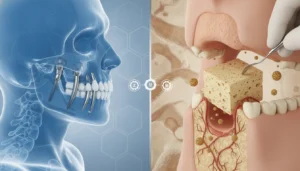
If your jaw does not have enough bone to support conventional implants, your dentist may discuss bone grafting or other approaches. Depending on your anatomy and treatment needs, zygomatic or pterygoid implants may also be considered. These options involve different surgical planning, so ask why one is being recommended and what alternatives may be available.
Additional procedures can affect healing time, the number of visits, and how long you may need to stay in Scottsdale. Ask whether treatment can happen in stages and when your dentist expects you to travel home. Dr. Chris Winterholler’s implant experience includes complex implant cases. A consultation can help you understand which options, if any, fit your clinical needs.
Compare full-mouth implants with individual tooth implants
A full-arch restoration is not the only way to address missing or failing teeth. If you have one or a few teeth that cannot be saved, individual implants may be an option. When many teeth are missing or have a poor long-term outlook, your dentist may discuss replacing a full arch. The recommendation depends on an exam of your remaining teeth, gums, and jawbone.
Ask whether any natural teeth can be preserved and how each approach could affect chewing, appearance, maintenance, and cost. Replacing more teeth does not automatically make a treatment plan the right choice. Your dentist should explain the benefits and limitations of each option, along with the expected visits and recovery. That information can help you compare treatment plans and make realistic travel arrangements.
Are You a Candidate for Full-Mouth Dental Implants?
Full-mouth dental implants may be an option if you’re missing most or all of your teeth, or if many of your remaining teeth are failing. Candidacy depends on your oral health, overall health, jawbone, and goals. An in-person exam helps your dentist determine whether implants are appropriate and what preparation may be needed. If you’re considering treatment in Scottsdale, ask how the practice will review your records and coordinate care around your travel schedule.
Assess jawbone volume, gum health, and remaining teeth
Implants need a stable foundation in the jaw, so your dentist will evaluate your bone volume and quality. They’ll also check your gums for active disease and assess any remaining teeth. Depending on their condition, some teeth may be treated and kept, while others may need to be removed as part of your plan.
Bone loss doesn’t automatically rule out implants. It may affect which approach is appropriate or whether additional care is needed first. Your provider may discuss bone grafting or, in selected complex cases, zygomatic or pterygoid implants. Review the implant services offered by Winterholler Dentistry and ask which options may suit your clinical needs.
Consider how health conditions, medications, and smoking affect healing
Your health can influence healing after implant surgery. Conditions such as diabetes may call for additional planning, particularly if they aren’t well controlled. Tell your dental team about your medical history, medications and supplements, previous surgeries, and any history of delayed healing. Don’t stop or change a medication without guidance from the clinician who prescribed it.
Smoking and other nicotine use can affect healing and may increase the risk of complications. Share this information with your provider so they can explain how it may affect your treatment and discuss steps that could support healing. The National Institute of Dental and Craniofacial Research’s overview of dental implants describes important considerations, but your exam and health history will guide your personal recommendations.
Explore preparatory care or alternatives when appropriate
If you have gum disease, your dentist may recommend treating it before implant surgery. If a planned implant site lacks sufficient bone, bone grafting may be an option. These steps can add appointments and healing time, so ask how they could affect your schedule before booking travel.
Implants aren’t the only way to replace missing teeth. Depending on your oral health and priorities, your dentist may discuss an implant-supported bridge, an implant-retained denture, or a conventional denture. These options differ in stability, maintenance, cost, and treatment time. Ask why a specific recommendation fits your needs, what alternatives are available, and whether a second opinion would be helpful for a complex case.
Get a clinical exam and imaging to assess candidacy
A clinical evaluation is the best way to learn whether full-mouth implants may be appropriate for you. Your provider may review your dental and medical history, examine your teeth and gums, and use imaging to assess your jawbone and plan implant placement. If you’re traveling to Scottsdale, ask whether the practice can review records or images before your visit, and confirm which assessments must take place in person.
Imaging supports treatment planning, but it doesn’t replace an exam or guarantee a particular result. Bring a medication list, relevant health records, and questions about appearance, function, recovery, and travel. Your provider can explain the findings, discuss potential risks and alternatives, and outline the next steps so you can make an informed decision.
How to Compare Scottsdale Implant Providers
Choosing a provider for full-mouth dental implants involves more than comparing prices or reviewing before-and-after photos. Look at the dentist’s experience with cases like yours, the services available, and how the practice will coordinate care if you’re traveling to Scottsdale. Use these questions to compare your options and understand what to expect before scheduling treatment.
Check training, implant experience, and complex-case expertise
Ask who will plan and place your implants, what training they have, and how often they treat full-arch cases. If you have significant bone loss, failing implants, or other complicating factors, ask how the provider handles cases with similar needs. A thorough evaluation may include a review of your health history, oral health, and jawbone, along with advanced imaging. These details help the team make recommendations based on your circumstances rather than a general treatment template. Scottsdale Smile Center’s implant FAQ outlines factors that may be considered when assessing candidacy. Ask the provider to explain their findings and how those findings shape your treatment options.
Review full-arch, bone-grafting, and implant-revision services
Confirm that the practice offers the services your case may require, not only routine implant placement. Depending on your bone volume and dental history, treatment could involve a full-arch restoration, bone grafting, or revision of an existing implant. Ask which clinicians handle each stage, whether care can be coordinated within the same practice, and what alternatives may be considered if the initial plan changes. Bone density is one factor providers assess because implants need support from the jaw. Review the practice’s dental implant services to learn about the options Winterholler Dentistry offers, including full-arch and complex implant care. At your consultation, ask which services apply to your situation and why.
Learn about Dr. Chris Winterholler’s implant and full-arch experience
Look for specific information about a provider’s implant experience, then ask how it relates to your needs. Dr. Chris Winterholler has placed more than 16,000 implants and completed more than 3,000 full arches, and he treats complex implant cases. Experience alone can’t predict an individual result, so ask who will oversee each part of your care, how the team will plan your treatment, and what outcomes are reasonable to expect. You can read more about Dr. Chris Winterholler’s experience before your visit. Bring questions about the proposed procedure, recovery, and follow-up, and ask the provider to explain any recommendations you don’t understand.
Assess patient feedback, communication, and coordination with your home dentist
Patient reviews can help you understand how a practice communicates, schedules visits, and supports patients, though they can’t predict your own experience or results. During a consultation, notice whether the team listens to your concerns and explains the treatment plan in clear terms. If you’ll return home between appointments, ask how the practice shares records and coordinates with your local dentist. Find out whom to contact if you have a concern after you leave Scottsdale, and what kind of follow-up the practice can provide remotely. This guide to questions for an implant consultation can help you prepare. Before committing, make sure you understand how communication will work at every stage.
Compare estimates, financing, insurance, and travel costs
Request a written, itemized estimate that explains what the quoted fee covers. Ask whether it includes imaging, temporary teeth, final restorations, anesthesia, and follow-up visits, and which services could cost extra if your plan changes. Confirm how the practice handles insurance and whether financing options are available. If you’re traveling, add transportation, lodging, meals, and time away from work to your budget. Ask for expected costs at each stage, rather than relying on a single total, and clarify when payments are due. This guide to discussing implant costs recommends requesting an itemized estimate and confirming your expected out-of-pocket expenses. Compare estimates only after checking that they cover similar services.
Plan Your Multi-Visit Implant Process
Full-mouth dental implant treatment often involves several stages, so plan for more than one appointment in Scottsdale. Your care may include an initial exam, imaging, preparatory treatment, implant placement, a healing period, and a later visit for your final teeth. The order and timing depend on your oral health, the type of restoration, and whether you need procedures such as extractions or bone grafting.
Before booking travel, ask the dental team for a written outline of your proposed visits. Clarify how long you may need to stay after each appointment, when you might return for the next stage, and which follow-up visits can happen near home. Ask who to contact if you have a concern while traveling or after you return. These details can help you plan transportation, lodging, time away from work, and care with your local dentist. Winterholler Dentistry provides dental implant care for a range of needs, including full-arch treatment and complex implant cases. Your clinician can explain which steps may apply to your situation after reviewing your records and examining you.
Before traveling: share records, discuss goals, and schedule an initial consultation
Before making travel arrangements, ask the practice which records it needs. These may include recent X-rays or scans, a medication list, and information about previous dental work, dentures, missing teeth, or existing implants. Share your goals, too. You may want to replace a full arch, improve denture stability, or address implants that are failing. This information can help the team prepare for an initial discussion, but it cannot replace an in-person exam.
Ask whether a remote conversation is available and what it can establish. A first visit may include an exam, X-rays, a gum evaluation, and a review of your dental history, as described in this guide to full-mouth implant visits. Request a preliminary schedule and ask which parts of your plan can be confirmed before you travel. Avoid booking nonrefundable transportation until you understand what remains to be assessed in person.
In Scottsdale: get imaging, confirm your plan, and address preparatory needs
At your appointment, the dental team can assess your teeth, gums, bite, and existing restorations. Imaging helps clinicians evaluate your jawbone and plan implant placement. The exam may also show whether you need additional care, such as tooth removal, gum treatment, or bone grafting. If you have had implants placed before, bring any records you have about the original surgery and restoration.
Review the treatment plan before moving ahead. Ask how many implants are proposed, what kind of restoration they will support, and whether the plan might change after imaging or surgery. Advanced imaging can help clinicians assess factors that affect treatment recommendations, as noted in this Scottsdale dental implant FAQ. Make sure you understand any preparatory procedures, their expected timing, and how they could affect the length of your stay.
Understand implant placement, temporary teeth, anesthesia, and early recovery
Ask your surgeon to walk you through implant placement before the procedure. Discuss the planned anesthesia, how long the appointment may take, and whether you will need someone to accompany you afterward. In general, implant treatment involves placing the implant in the jawbone and attaching a custom restoration after healing. Your specific steps can differ based on your health, the number and location of implants, and the type of full-arch restoration.
Find out whether you may receive temporary teeth and what to expect from them. A temporary restoration can support appearance and some function while the implants heal, but it may have limits on chewing. Ask for written instructions about food, oral hygiene, medication, swelling, and symptoms that should prompt a call. This overview of implant treatment describes the general process from implant placement to a custom restoration. Follow the instructions your clinician gives you for your own case.
Allow healing before final restorations; same-day teeth may be temporary
Teeth placed on the day of surgery are not always the final restoration. After implant placement, the jawbone needs time to bond with the implants, a process called osseointegration. This healing period often takes several months, though the timeline varies with the patient and treatment plan. Your clinician will explain how to care for any temporary teeth and what foods to avoid while healing.
Ask which steps may happen during your first visit and which require a return trip. Confirm how the team will monitor healing and what needs to happen before your final restoration is made or attached. Some patients may be candidates for temporary teeth soon after surgery, but temporary teeth are different from the final restoration. This explanation of implant healing covers why time for bonding with the jawbone is important. Request expected milestones in writing so you can plan future travel.
Confirm visits, stay length, return-travel timing, and follow-up
Before booking flights or lodging, ask the practice for a visit-by-visit schedule. Find out how long you should plan to stay in Scottsdale after surgery, whether the team recommends an in-person check before you leave, and when you may need to return. Leave some flexibility in your travel plans in case your clinician recommends an extra appointment or a longer recovery period. Your care team, not a general timeline, should advise you about travel after treatment.
Ask who to contact if your symptoms change or plans are disrupted. Find out whether follow-up can happen by phone or video and which checks require an in-person visit. Your candidacy and treatment schedule depend on an individual assessment. Use these questions to ask at an implant consultation to discuss candidacy, recovery, and timing before committing to travel. Confirm all appointments and travel guidance directly with the practice.
Arrange routine follow-up and urgent care after you return home
Before you leave Scottsdale, ask for copies of your treatment records, imaging, medication list, and care instructions. Confirm when your next checkup is due and whether the implant team can coordinate with your regular dentist. If you do not have a dentist near home, ask how to find a clinician who can provide routine exams and cleanings. Ongoing care remains important after the surgical visits are complete.
Agree on a plan for unexpected concerns, too. Save the practice’s contact information and ask which symptoms require an urgent call or an in-person evaluation. Find out whether the team can advise you remotely and when you should seek care close to home. The American Academy of Implant Dentistry’s guidance notes the importance of home care and routine dental visits for implant maintenance. Keep your records accessible so local providers can review them if you need help.
What Should You Ask Before Booking a Consultation?
A consultation should help you understand your treatment options, the likely timeline, and what traveling for care may involve. Before booking, ask whether the first visit includes a clinical exam and imaging, what records the team needs from you, and how it evaluates complex cases. Share recent dental records, a list of medications, and information about health conditions or smoking habits. These details can affect treatment planning and healing, so providing a complete history helps the team assess your needs.
If you’re considering treatment in Scottsdale, ask how many visits may be needed, who will coordinate each stage, and how the practice communicates with your dentist at home. Ask when you may be able to travel after a procedure, too. Timing depends on your health and treatment plan, so treat early estimates as a starting point, not a guarantee.
Use the questions below to compare providers and prepare for a conversation with Winterholler Dentistry about its dental implant care.
Which implant option fits your oral health and goals?
Ask which restoration the dentist recommends and why. Full-arch treatment may involve an All-on-X restoration, an implant-supported bridge, or an implant-retained denture. The appropriate option depends on your remaining teeth, jawbone, gum health, bite, and preferences. Ask how each choice may affect cleaning, maintenance, appearance, and future repairs.
You might ask, “What alternatives should I consider, and what are the trade-offs?” A clinical exam and imaging can help the dentist assess your needs and discuss options. Share your medical history and habits, such as smoking, since they may affect treatment planning. The American Academy of Implant Dentistry’s patient guidance also recommends discussing factors that could influence implant care.
Who plans and performs each stage, and what if the plan changes?
Ask who will evaluate your case, place the implants, and design or fit the final restoration. Different clinicians may handle different stages, so find out how the team coordinates care and who will answer your questions before and after treatment. If you’re traveling, ask how you can reach the practice while you’re away from home.
Also ask what findings could lead to a change in the plan. Imaging or details discovered during treatment may affect which approach is appropriate. Understanding possible changes, risks, and next steps can help you make an informed decision. You can read about Dr. Chris Winterholler’s implant experience and ask how his background relates to your particular case.
How many trips and recovery days should you expect?
Ask the practice to map out the expected schedule, from consultation through final restoration. Find out whether your first visit includes an exam and imaging, whether preparatory treatment could require another trip, and how long you may need to stay in Scottsdale after implant placement. The number of visits and recovery time vary, so request a timeline based on your proposed plan.
Ask when you may be able to return to work, resume usual activities, and travel by car or plane. Find out what symptoms to expect during early recovery and whom to contact with concerns. The consultation questions from Oceanoaks Dental include asking how long the overall process may take. Confirm travel plans with your treating team before booking.
What does the written estimate cover, and what costs extra?
Request an itemized estimate that explains what the recommended treatment includes. Depending on your plan, costs may include imaging, extractions, implants, abutments, temporary teeth, the final restoration, bone grafting, anesthesia, and follow-up visits. Ask which services are covered by the quoted fee and which may be billed separately.
Find out what could change the estimate, such as a need for additional treatment identified during your exam or procedure. Ask whether the quote includes care for complications or repairs, and how long the fees remain valid. A dental implant consultation guide recommends requesting a clear cost breakdown. When comparing estimates, check that they describe similar treatment, materials, and follow-up care.
Which financing and insurance options are available?
Ask how the practice handles payment, whether financing is available, and when payments are due. If you’re traveling for care, check whether you’ll need a deposit to reserve appointments and what happens if your treatment plan changes. Request the details in writing so you can account for care alongside transportation, lodging, meals, and time away from work.
Dental insurance may cover some services but not others, depending on your plan. Ask whether the office can provide a pre-treatment estimate or help with claims, then confirm your benefits directly with your insurer. Don’t assume a procedure is covered until you have confirmation. Payment policies vary by practice, so ask about your options before scheduling treatment.
How will the practice coordinate follow-up care near home?
If you live outside Scottsdale, ask how follow-up care will work after you return home. Find out which appointments must take place in person, whether the practice can share records and imaging with your local dentist, and whom to contact if you have a concern between visits. Ask what information your home dentist may need for routine care and maintenance.
Before treatment, agree on a plan for urgent concerns, including whom to call and where to seek care if you’re away from the practice. Share your complete medical history, including medications, health conditions, and habits such as smoking. Ask the implant team how it will coordinate with your local provider and what follow-up responsibilities you’ll have.
Related Articles
- Dental Implant FAQs: Scottsdale Dentist Answers Frequently Asked Questions
- Dental Implants: Services Offered by Winterholler Dentistry
- Meet Dr. Chris Winterholler: Implant Experience
- 8 Questions to Ask at a Dental Implant Consultation
- Ask These Questions During Dental Implant Consultation
Frequently Asked Questions
Can I find out if I’m a candidate for full-mouth dental implants before traveling to Scottsdale?
A phone or virtual conversation may help the dental team review your goals and records, but it cannot confirm candidacy. An in-person exam and imaging let your dentist assess your teeth, gums, health history, and jawbone before recommending treatment.
How many trips will full-mouth implant treatment require?
The number of visits depends on your treatment plan, healing, and whether you need preparatory care such as extractions or bone grafting. Ask for an estimated schedule before booking travel, and confirm how long you should stay after each procedure.
Will I receive permanent teeth on the day of implant surgery?
Some patients may receive temporary teeth soon after surgery, but these are not necessarily the final restoration. Your implants may need time to heal before the final teeth are placed. Your dentist can explain what to expect in your case.
What if I have significant bone loss or implants that are failing?
Your dentist can assess your options after reviewing your records, examining you, and taking appropriate imaging. Depending on your needs, the discussion may include bone grafting, implant revision, or specialized options such as zygomatic or pterygoid implants.
How can I arrange follow-up care after returning home?
Before leaving Scottsdale, ask for copies of your records and care instructions, and confirm whom to contact with questions. You can also ask whether the practice can coordinate with your local dentist and which follow-up checks need to happen in person.