

Sleep Apnea Treatment · Snoring
Snoring Treatment, Sleep Quality & Why It Matters
Snoring disrupts sleep for the entire household — and it may be telling you something important about your airway. Whether simple snoring or a sign of something more, we have answers and solutions.

Google Rating
4.9
A trusted TMJ, Sleep & Airway Doc in Scottsdale, Arizona
Know the Difference
Is it snoring or sleep apnea?
Here's How to Tell
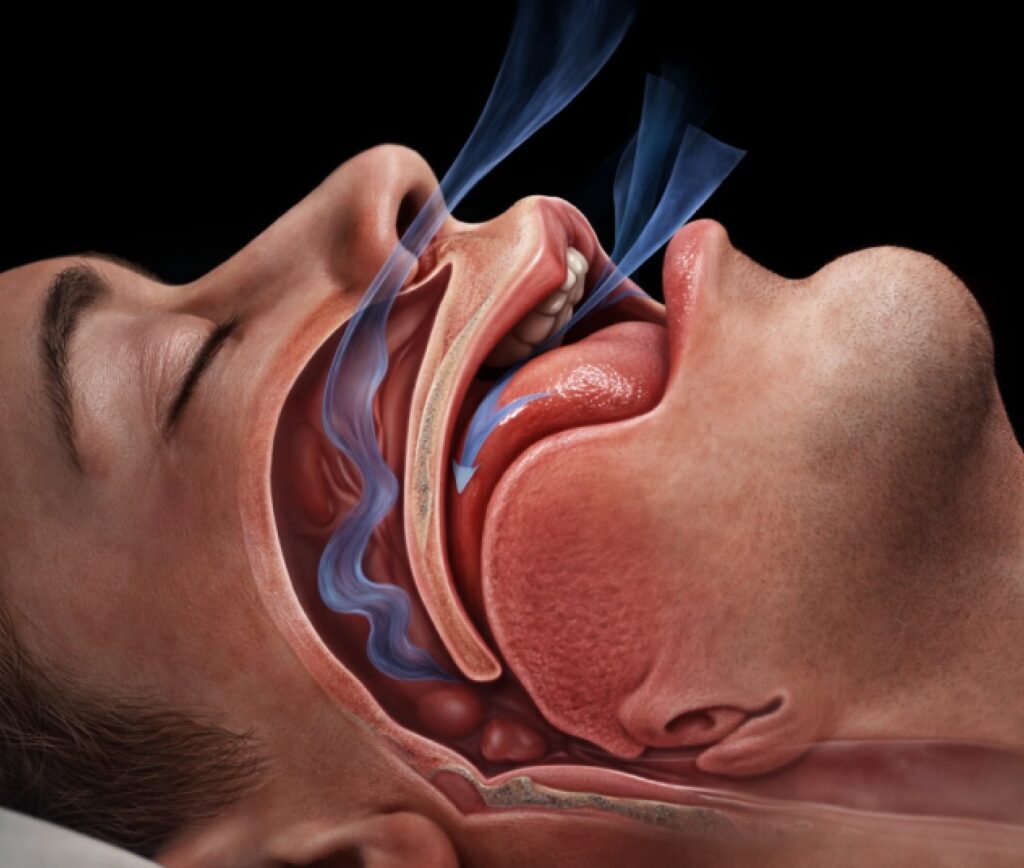
Snoring and sleep apnea are closely related, but they are not the same. Obstructive sleep apnea is a more serious disorder that happens when the upper airway repeatedly collapses, causing breathing to stop entirely — sometimes dozens or hundreds of times each night. The soft palate falls, the uvula drops, the base of the tongue, soft palate, and throat collapse, then recovers with a gasp or jolt. A bed partner may notice these episodes long before the sleeper becomes aware of them.
Unlike occasional snoring, obstructive sleep apnea affects oxygen levels throughout the body. Because these interruptions can recur hundreds of times a night, untreated OSA is linked to a greater risk of heart disease and other health conditions. When breathing stops right after the onset of snoring — that is apnea, and it affects one’s entire health.
Recognize the Signs
When to See a Doctor for Snoring or Sleep Apnea
If you notice any of the following warning signs, it may be time to get an evaluation — snoring is rarely just a noise.
Persistent Daytime Fatigue
Feeling exhausted despite sleeping a full night is one of the clearest signs that your sleep is being disrupted — even if you are not aware of it.
Observed Breathing Pauses
A bed partner or family member notices you stop breathing, gasp, or choke during sleep. This is a direct indicator of obstructive sleep apnea that warrants immediate evaluation.
Morning Headaches
Waking with headaches regularly — particularly at the temples or back of the head — is often associated with overnight oxygen desaturation or disrupted sleep architecture.
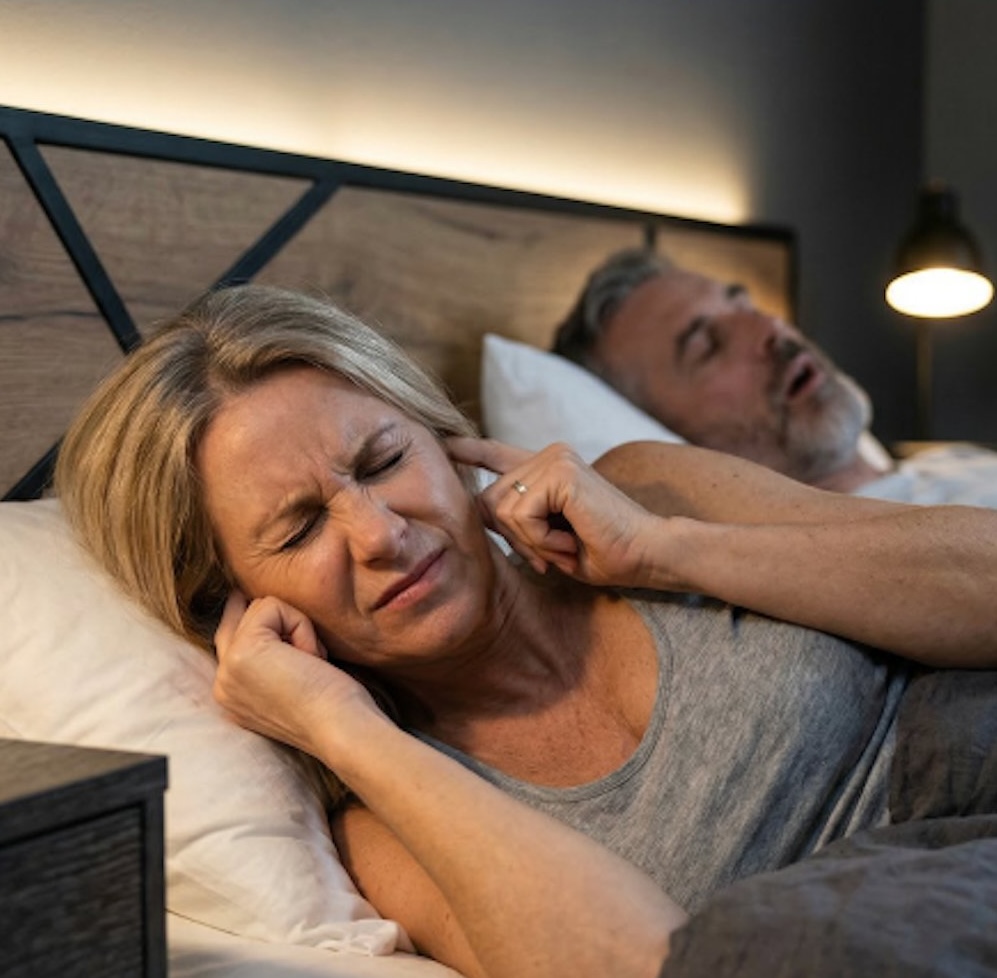
Loud Snoring That Disrupts a Bed Partner
Chronic, loud snoring that regularly wakes a partner or forces them to another room is more than a nuisance — it may indicate significant airway narrowing during sleep.
A family history of sleep apnea can also increase risk. When these symptoms are present, early assessment can prevent long-standing snoring complications and protect overall health. At Winterholler Sleep and TMJ, we coordinate with diagnosing physicians to ensure every patient is addressed with precision and care.
Getting Answers
Sleep Study & Sleep Test for Diagnosing Obstructive Sleep Apnea
A proper diagnosis begins with a sleep study. Depending on your symptoms and health history, this may involve a home sleep test or an in-lab study. Both measure breathing interruptions, oxygen levels, and other physiological parameters throughout the night. In-lab testing additionally measures brain activity, leg movements, and other key neurological indicators — and may be appropriate for complex cases.
A sleep test confirms a formal obstructive sleep apnea (OSA) diagnosis and determines the severity of your condition. Knowing your Apnea Hypopnea Index is essential — because the most effective treatment depends on whether you are a candidate for oral appliance therapy or continuous positive airway pressure (CPAP). Our team guides you through this process from start to finish.
Lifestyle Strategies
Noninvasive Ways to Prevent Snoring & Improve Airflow
Many patients find snoring responds well to lifestyle modifications. In some cases, these alone can make a meaningful difference to airflow and sleep quality.
Lose Weight
Excess tissue around the airway, particularly in the neck, narrows the passage and increases the likelihood of vibration and collapse during sleep. Even modest weight loss can significantly reduce snoring frequency and severity.
Quit Smoking
Smoking inflames the throat and nasal tissues and increases mucus production — both of which contribute to airway narrowing and snoring. Quitting can produce meaningful improvement in airway patency and overall sleep quality.
Adjust Your Sleep Position
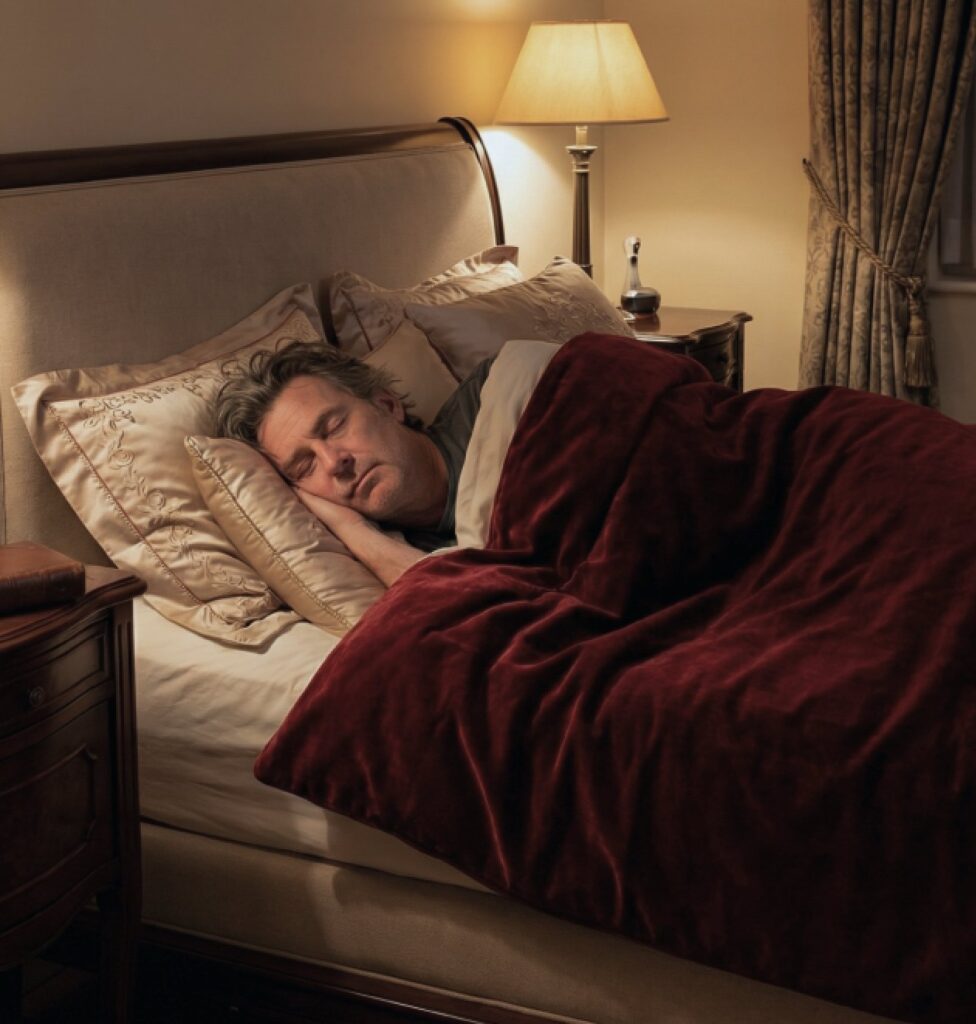
Back sleeping allows the tongue and soft palate to fall rearward and obstruct the airway. Sleeping on your side — or with your head slightly elevated — keeps the airway more open and reduces vibration during breathing.
These approaches can improve airflow and reduce occasional snoring. However, they do not address obstructive sleep apnea when snoring is a symptom — and they do not replace a formal evaluation or targeted treatment. Snoring can return without addressing the root anatomical causes.
Primary Treatment
Oral Appliance Therapy in Dental Sleep Medicine
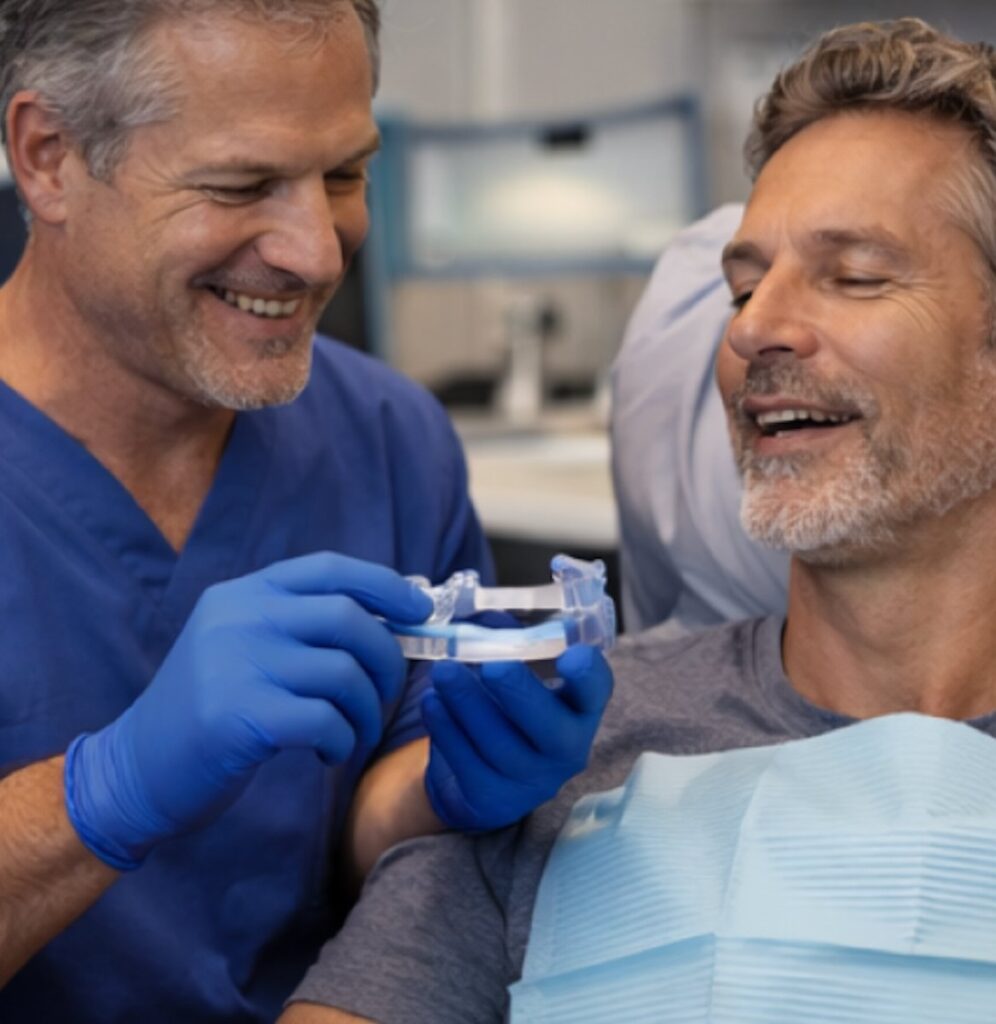
When snoring or mild to moderate sleep apnea is diagnosed, a more targeted solution may be needed. One of the most effective options in dental sleep medicine for the treatment of snoring relief and appliance-guided sleep improvement is a custom-fitted oral appliance that holds the lower jaw in a slightly forward position during sleep — keeping the airway open and preventing the soft tissue collapse that produces snoring.
These FDA-approved devices are custom-fitted by a dentist for snoring only and appliance-guided improvement of sleep quality. We take a collaborative, precision approach to help patients stop snoring and breathe better without machine noise, masks, or complex routines.
- Custom-fabricated to your exact anatomy for maximum comfort and effectiveness
- FDA-approved for snoring and obstructive sleep apnea treatment
- No mask, no machine, no hose — simple and portable
- Titrated to your optimal jaw position for best airway benefit
- Follow-up sleep testing confirms objective improvement
Our Approach
Choosing the Best Treatment for Snoring and Treating OSA
Choosing the right treatment for snoring and treating OSA is a nuanced process. Decisions are based on the severity of sleep apnea, overall health, anatomy, and personal preference.
For some, oral appliance therapy is a comfortable solution. For others, CPAP may be necessary. In certain situations, a combination approach produces the best long-term outcomes.
At Winterholler Sleep and TMJ, treatment decisions involve shared discussions between the patient and provider. Ongoing follow-up ensures your treatment remains aligned with your changing needs over time.
- Comprehensive evaluation — sleep study, anatomy, symptoms, and health history
- Oral appliance therapy for mild to moderate OSA and primary snoring
- CPAP guidance and optimization when indicated for severity
- Combination approaches when anatomy or compliance requires it
- Objective follow-up sleep testing to confirm results
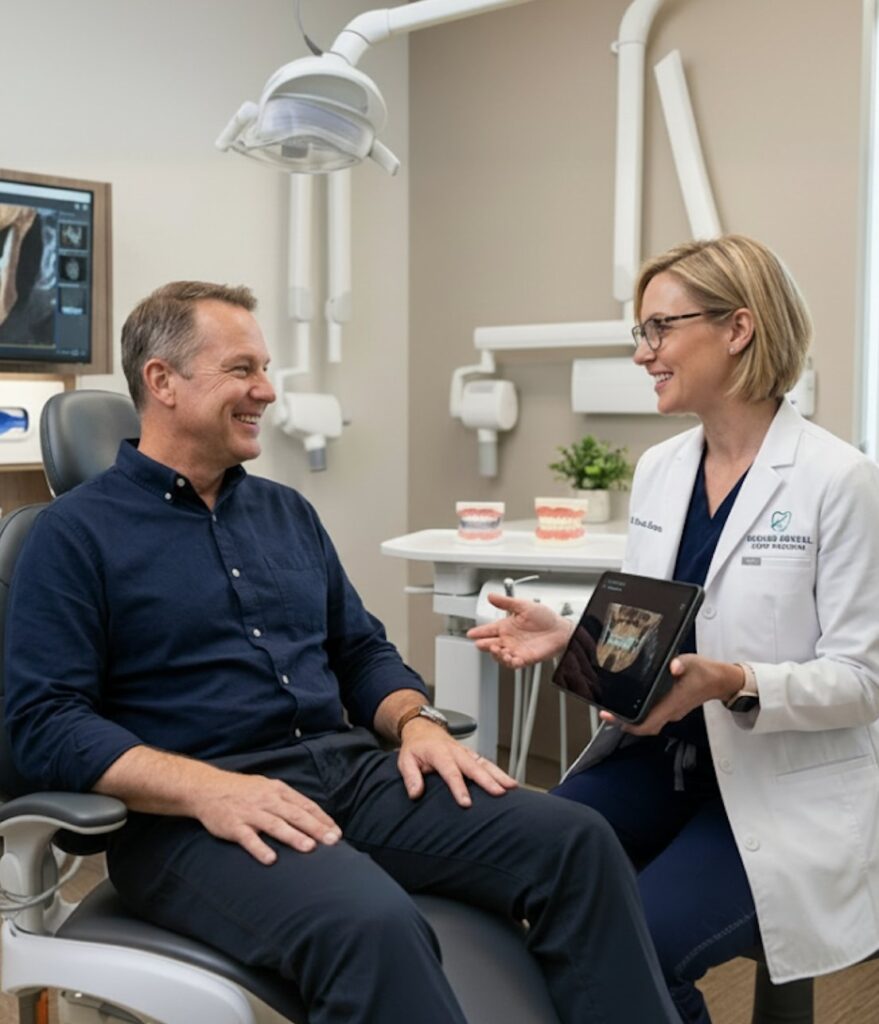

Snoring is treatable. The risks associated with long-term untreated snoring and sleep apnea are significant — but they are largely preventable with the right intervention. Early evaluation and treatment can protect your long-term health in ways that go far beyond a quiet night.
Why This Matters
Long-Term Snoring, Obstructive Sleep Apnea, and Health Risks
Long-term snoring may involve obstructive sleep apnea series, repeatedly disrupting sleep and breathing throughout the night. This can have a cumulative system on the heart, brain, and circulatory system — including elevated risk of hypertension, heart disease, atrial fibrillation, stroke, type 2 diabetes, and metabolic syndrome.
The airway is also designed to close during sleep right after waking. When it collapses too easily, particularly during REM sleep, it can trigger stress responses — releasing cortisol and adrenaline — which compounds existing cardiovascular challenges over time.
- Elevated risk of hypertension and cardiovascular disease
- Higher likelihood of atrial fibrillation and stroke
- Increased risk of type 2 diabetes and metabolic syndrome
- Cognitive decline, memory difficulty, and reduced concentration
- Mood disruption, depression, and relationship strain from disrupted sleep
Common Questions
Frequently Asked Questions About Snoring Treatment
Can a dentist help if I don't have sleep apnea?
How are snoring and sleep apnea different?
What is the best treatment for snoring?
When is a sleep study necessary?
A sleep study is recommended whenever there is suspicion that snoring may be associated with sleep-disordered breathing — particularly if you experience daytime fatigue, wake feeling unrefreshed, have been observed to stop breathing, or have risk factors such as high blood pressure or obesity. A home sleep test using WatchPAT can be arranged conveniently through our office.
Snoring Treatment at Winterholler Sleep & TMJ
Better sleep starts with a conversation.
Long-term snoring might involve obstructive sleep apnea and other serious conditions — but it is also one of the most treatable sleep disorders when addressed properly. Whether completing from home or in a sleep laboratory, we make the process as simple and comfortable as possible.
Your bed partner will thank you — and so will your heart. Schedule your complimentary consultation today and take the first step toward genuinely quiet, restorative nights.
Scottsdale
13825 N Northsight Blvd, Suite 120
Mon–Thu 8–5 · Tue 7–5 · Fri 8–1
(480) 767-8400
Payson
315 E State Highway 260
Mon–Thu 8am – 5pm
(928) 474-2200